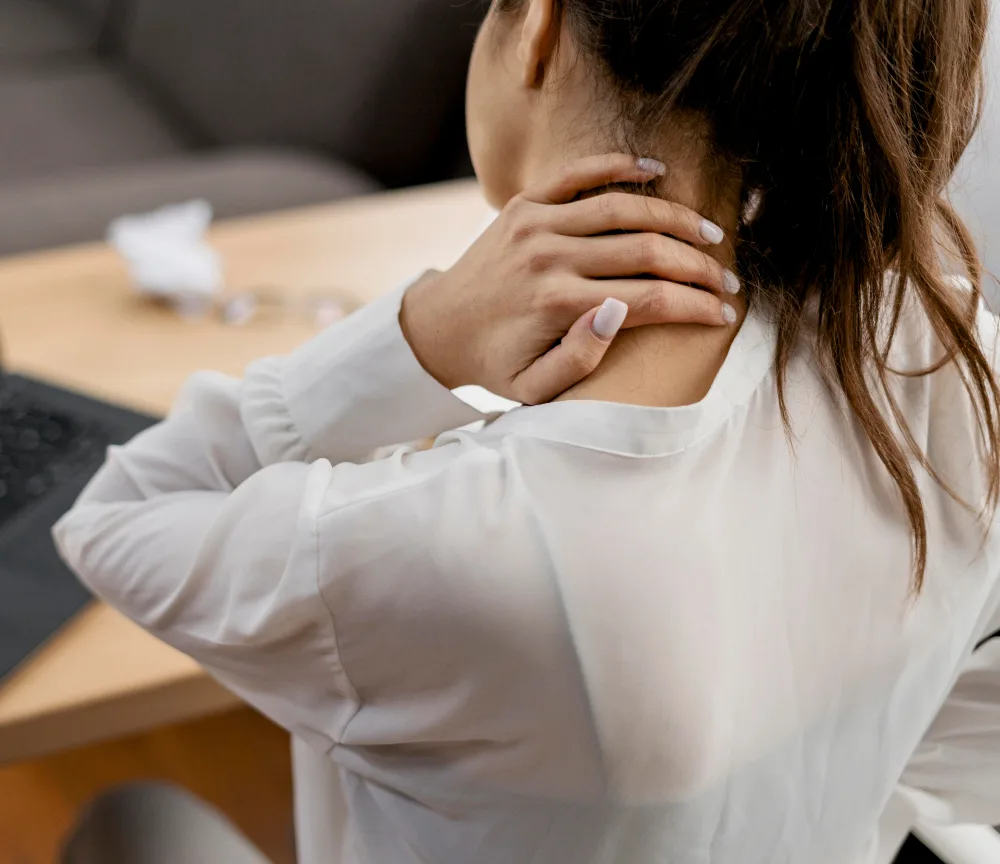
How to Cure Cervical Spondylosis Permanently
Category: Orthopedics
 Tue Nov 11 2025


Cervical spondylosis, also known as cervical osteoarthritis or neck arthritis, is a degenerative condition affecting the cervical spine. It commonly occurs due to age-related wear and tear, poor posture, or repetitive strain, leading to neck pain, stiffness, headaches, and in severe cases, nerve compression. Left untreated, cervical spondylosis can significantly impact daily life and mobility. Understanding effective treatment options is essential for long-term relief and prevention of complications.
At Lokmanya Hospitals, patients in Pune receive specialized care for cervical spondylosis from highly experienced orthopedic and spine specialists. Using advanced diagnostic tools, personalized treatment plans, and modern therapeutic techniques, the hospital provides comprehensive management of spondylosis. Recognized as the best hospital for spondylitis in Pune, Lokmanya Hospitals ensures patients access the best doctors for spondylitis treatment in Pune and the most effective interventions for long-term relief.
Understanding Cervical Spondylosis
Cervical spondylosis is a degenerative condition affecting the cervical spine, which includes the neck bones, discs, ligaments, and joints. Over time, these structures wear down, leading to stiffness, pain, and sometimes nerve compression. Understanding the causes and symptoms is crucial for timely intervention and effective management.
Causes of Cervical Spondylosis
- Age-related Wear and Tear:
As we age, the spinal discs in the neck lose water content and elasticity, while joints may develop bone spurs. This natural degeneration reduces the cushioning between vertebrae, leading to stiffness, pain, and reduced neck mobility. - Poor Posture:
Maintaining improper posture, especially during prolonged desk work, reading, or using smartphones, places constant strain on neck muscles and spinal discs. Slouching or forward head posture can accelerate cervical degeneration, contributing to early onset of spondylosis. - Repetitive Strain:
Jobs or activities that require frequent neck movements, heavy lifting, or prolonged static positions can overload cervical muscles and joints. Over time, this repetitive strain can lead to disc wear, ligament tightening, and joint inflammation. - Injuries or Trauma:
Previous injuries such as fractures, whiplash, or sudden impacts to the neck can damage spinal structures. Even minor trauma may increase the risk of degeneration later in life, making the cervical spine more vulnerable to spondylosis. - Genetics:
A family history of spinal problems or arthritis can increase susceptibility to cervical spondylosis. Genetic factors may influence disc strength, joint structure, and overall neck stability, predisposing some individuals to early degeneration.
Symptoms of Cervical Spondylosis
Symptoms can vary depending on the severity and which structures are affected, ranging from mild discomfort to significant nerve-related problems:
- Chronic Neck Pain and Stiffness: Pain often worsens with activity or prolonged sitting and may extend to shoulders or upper back.
- Headaches Originating from the Neck: Often felt at the back of the head or temples, these cervicogenic headaches are linked to muscle tension and nerve irritation.
- Numbness or Tingling in Arms and Hands: Compression of cervical nerves may cause tingling, burning sensations, or weakness in the upper limbs.
- Reduced Neck Mobility: Difficulty turning or bending the neck due to stiffness in joints and muscles.
- Muscle Weakness in Severe Cases: Advanced degeneration can affect nerve function, leading to weakness in arms, hands, or grip strength.
- Grinding or Popping Sounds During Neck Movement: Also called crepitus, these sounds occur due to bone spurs or roughened joint surfaces rubbing during motion.
How to Cure Cervical Spondylosis Permanently
While cervical spondylosis is degenerative, effective treatment can provide long-term relief and prevent progression.
Non-Surgical Treatments
- Physical Therapy: Tailored exercises to strengthen neck muscles, improve posture, and reduce pain.
- Medications: Pain relievers, anti-inflammatory drugs, and muscle relaxants to manage symptoms.
- Lifestyle Modifications: Correcting posture, ergonomic adjustments at work, and regular neck stretches.
- Alternative Therapies: Yoga, acupuncture, or cervical traction may provide additional relief in mild cases.
Surgical Treatments
Surgery may be considered when conservative measures fail or nerve compression occurs:
- Discectomy: Removal of a damaged disc to relieve pressure on spinal nerves.
- Cervical Fusion: Fusing affected vertebrae to stabilize the spine.
- Artificial Disc Replacement: Replaces a damaged disc with an implant to maintain mobility.
- Minimally Invasive Spine Surgery: Reduces recovery time and post-operative discomfort.
Post-Treatment Rehabilitation
Regardless of treatment type, physiotherapy and regular follow-up are essential to strengthen neck muscles, maintain spinal alignment, and prevent recurrence.
Why Choose Lokmanya Hospitals for Cervical Spondylosis Treatment?
Lokmanya Hospitals is recognized as the best hospital for spondylitis in Pune, offering expert evaluation and treatment for cervical spondylosis. Patients benefit from advanced diagnostics, modern surgical techniques, and personalized care plans tailored to their condition.
The hospital’s team of experienced spine and orthopedic specialists provides both non-surgical and surgical treatments, ensuring optimal outcomes. Comprehensive post-treatment rehabilitation, patient-focused care, and follow-up programs make Lokmanya Hospitals a trusted choice for those seeking the best treatment for spondylitis in Pune.
Conclusion
Cervical spondylosis can significantly impact quality of life if left untreated. Early diagnosis, a structured treatment plan, and lifestyle management are essential for long-term relief and spinal health.
Choosing Lokmanya Hospitals ensures access to experienced doctors, advanced therapies, and comprehensive care for cervical spondylosis. With personalized treatment plans and structured rehabilitation, patients can achieve lasting relief, improved mobility, and a better quality of life.
FAQs About Cervical Spondylosis
1. Can cervical spondylosis be cured permanently?
While the degeneration cannot be reversed, proper treatment, lifestyle management, and rehabilitation can provide long-term relief and prevent progression.
2. How long does recovery take after cervical spondylosis surgery?
Recovery depends on the procedure but generally ranges from 6–12 weeks, including physiotherapy and gradual return to activity.
3. What exercises help with cervical spondylosis?
Neck stretches, posture correction exercises, and strengthening exercises for neck and shoulder muscles help reduce pain and improve flexibility.
4. Who is the best doctor for spondylitis treatment in Pune?
Lokmanya Hospitals has a team of highly experienced spine and orthopedic specialists specializing in spondylitis and cervical spondylosis management.
5. What are the warning signs of severe cervical spondylosis?
Numbness, tingling, weakness in arms or hands, severe neck pain, or difficulty walking are signs of nerve involvement requiring urgent evaluation.
6. Can lifestyle changes help manage cervical spondylosis?
Yes, maintaining good posture, using ergonomic workstations, regular neck exercises, and avoiding prolonged strain are effective in managing symptoms.
7. Is surgery always required for cervical spondylosis?
No, many cases can be managed with non-surgical treatments like physiotherapy, medications, and lifestyle adjustments. Surgery is reserved for severe or persistent cases.
8. Why choose Lokmanya Hospitals for treatment?
Lokmanya Hospitals offers expert diagnosis, modern treatment techniques, comprehensive rehabilitation, and the best doctors for spondylitis treatment in Pune, ensuring optimal outcomes.
Previous blog

What Drink Is Good for Ulcers?
Next blog
.webp)