Why Does a Normal ECG Not Rule Out a Heart Problem?
Category: General medicineCardiology
 Thu Jul 16 2026


You walked out of the clinic relieved; your ECG came back normal. But the chest tightness hasn't gone away, and somewhere in the back of your mind, a question keeps nagging: if my heart is fine, then why do I still feel this way?
This is one of the most important things to understand about heart problem diagnosis in Pune: a normal ECG is genuinely good news, but it is not the complete story.
At Lokmanya Hospitals, our cardiology team sees this exact situation regularly, and there's a clear, reassuring explanation for it.
Key Takeaways
- An ECG only records your heart's electrical activity for a few seconds, not everything happening inside it
- Many real heart conditions, including significant blockages, can exist with a completely normal ECG
- Certain symptoms deserve further testing even after a normal report
- Cardiologists use a combination of tools, not one test alone, to rule out heart disease
- Lokmanya Hospitals offers the full diagnostic pathway needed when symptoms and reports don't match
What Does an ECG Actually Show About Your Heart?
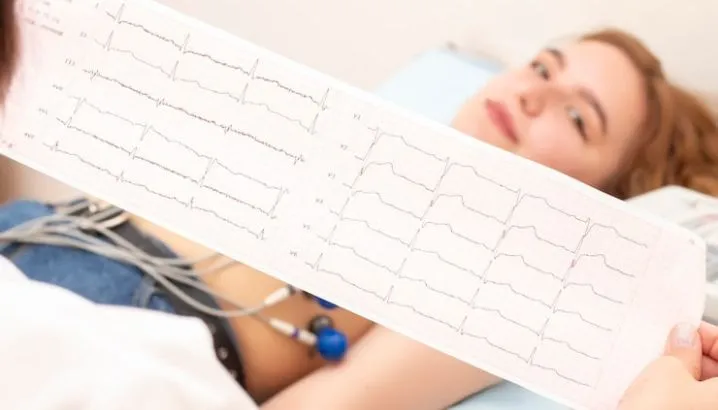
An ECG records the electrical signals that make your heart beat, nothing more, nothing less. It's a snapshot, usually lasting just 10 to 30 seconds, of how evenly and rhythmically your heart's electrical system is firing at that exact moment.
A picture of rhythm, not plumbing. Think of your heart's electrical system as the wiring, and your coronary arteries as the plumbing. An ECG checks the wiring; it doesn't directly look at whether the pipes are blocked.
Excellent for certain emergencies. During an active, severe heart attack, an ECG usually does show clear changes, which is why it remains a vital first test in any emergency room.
Limited by time. Because it only captures a few seconds, it simply cannot catch anything that isn't happening at that precise moment.
Why Can a Normal ECG Still Miss a Real Heart Problem?
The short answer is many heart problems don't produce electrical changes strong enough for a standard ECG to catch, especially early on.
Partial blockages often stay silent. Research shared by cardiac specialists shows that patients with 70–90% narrowing in a coronary artery can still have a completely normal ECG, because the blockage hasn't yet caused enough strain to disturb the heart's electrical rhythm.
Symptoms that come and go get missed. If your chest discomfort happens in the morning but your ECG is done in the afternoon, the recording simply won't show anything unusual , the problem wasn't "in progress" at that moment.
Structural issues don't always show on an ECG. Problems with heart valves, the heart muscle itself, or minor pumping inefficiencies often don't disturb the electrical signal enough to appear on the tracing.
Diabetes can mask warning signs entirely. People with long-standing diabetes sometimes experience "silent" heart problems; reduced nerve sensitivity means they may not feel typical chest pain even during real cardiac strain, making a normal ECG especially misleading in this group.
When Should You Worry Despite a Normal Report?
If your symptoms persist, worsen, or come with certain warning signs, a normal ECG should never be the final word.
Persistent or recurring chest discomfort. Ongoing pressure, tightness, or discomfort in the chest, even if mild, deserves further evaluation, particularly if it happens with exertion.
Breathlessness beyond what feels normal. Getting unusually breathless during everyday activities like climbing stairs, especially if this is new for you, is a signal worth investigating further.
Emergency red flags, act immediately. Severe chest pain, pain spreading to the arm or jaw, cold sweats, or sudden breathlessness needs emergency care right away, regardless of any past ECG result. Do not wait for an appointment in these situations.
Existing risk factors change the equation. If you have diabetes, high blood pressure, a family history of heart disease, or a smoking history, even mild or vague symptoms are worth a more thorough look.
How Do Cardiologists Diagnose What an ECG Alone Can't Do?
Cardiologists rely on a combination of targeted tests, chosen based on your specific symptoms, not a single all-purpose scan.
Echocardiogram for structure. This ultrasound of the heart shows how well your heart muscle is pumping and whether the valves are working correctly, details an ECG simply cannot capture.
Stress testing for hidden blockages. By monitoring your heart while you exercise, doctors can often reveal reduced blood flow that stays completely invisible while you're resting.
Holter monitoring for intermittent problems. Wearing a portable ECG device for 24 to 48 hours catches irregular heartbeats that come and go, exactly the kind a single short ECG would miss.
CT coronary angiography for a direct look. For patients with strong risk factors or unclear results, imaging the coronary arteries directly shows blockages that electrical tests cannot detect.
At Lokmanya Hospitals, our cardiology team builds this diagnostic pathway around your specific symptoms and risk profile, rather than repeating the same test and hoping for a different answer.
If you're searching for a cardiologist hospital in Pimpri Chinchwad who looks beyond a single report to understand what's really happening, this thorough, step-by-step approach is exactly what makes the difference.
What Are the Treatment and Next-Step Options?
Once the real cause is identified, treatment is built around that specific finding, not guesswork.
Medication-based management. For early blockages or risk factors like high cholesterol and blood pressure, medication can often manage the condition effectively without more invasive treatment.
Lifestyle-integrated care plans. Diet changes, structured exercise, and stress management are built directly into your treatment plan, since these directly affect how a partial blockage progresses over time.
Procedural options when needed. For more significant blockages, doctors may discuss options like angioplasty, always explained clearly so you understand exactly why a particular approach is recommended for your case.
If further testing does reveal a significant coronary blockage, our detailed guide on angioplasty vs bypass surgery for coronary artery disease explains how cardiologists choose between the two and what each procedure involves for recovery.
What Does Ongoing Heart Health Monitoring Look Like?
Heart health isn't a one-time check; it's an ongoing relationship with regular reassessment.
Scheduled follow-up testing. Depending on your risk level, your cardiologist may recommend periodic echo or stress tests to track any changes over months or years.
Tracking symptoms accurately. Keeping a simple note of when symptoms occur, how long they last, and what triggers them gives your doctor far more useful information than a single visit ever could.
Clear markers of progress. A good cardiology plan gives you specific numbers to track , blood pressure targets, cholesterol levels so you always know where you stand.
How Does This Uncertainty Affect Peace of Mind?
Living with unexplained symptoms after a "normal" report is genuinely stressful, and that reaction makes complete sense.
The relief-then-doubt cycle is common. Many patients feel briefly reassured by a normal ECG, only to feel anxious again once symptoms return , this doesn't mean you're overreacting; it means your body is telling you something worth listening to.
Anxiety itself can mimic heart symptoms. Chest tightness and a racing heart can also come from anxiety, and a thorough cardiac evaluation actually helps separate this from a true cardiac cause, bringing genuine clarity either way.
Getting answers restores calm. Most patients describe real emotional relief once they have a clear, complete picture , not just one test, but a full understanding of what's actually happening.
How Can You Reduce Your Long-Term Heart Risk?
Prevention goes far beyond periodic testing; it's about consistently managing the factors within your control.
Manage the big four risk factors. Blood pressure, blood sugar, cholesterol, and body weight are the most modifiable drivers of long-term heart disease risk.
For a practical, evidence-based guide to reducing cardiac risk through diet, activity, and early screening, our article on how to prevent a heart attack covers each of these factors in detail including when to see a cardiologist before symptoms appear.
Build activity into daily life. Regular movement, even brisk walking most days of the week, meaningfully lowers cardiac risk over time.
Don't dismiss recurring symptoms. If something has fHow do cardiologists diagnose what an ECG alone can't? elt "off" for weeks, that's reason enough to get it properly checked, you don't need a dramatic symptom to justify asking for further testing.
Final Thoughts
A normal ECG is reassuring, but it was never designed to be the final word on your heart health. It tells you your heart's electrical rhythm looked fine in that moment, not that every possible problem has been ruled out.
If your symptoms persist despite a normal report, that's not something to brush aside; it's a clear signal to look further, with the right combination of tests chosen for your specific situation.
Lokmanya Hospitals' cardiology team is equipped to build that complete picture, so you get real answers instead of lingering doubt. Visit lokmanyahospitals.com to book a consultation.
FAQs
Can you have a heart attack with a normal ECG?
Yes, especially very early on, when the damage is still minor or the blockage hasn't yet disturbed the heart's electrical activity enough to show changes.
How long after symptoms should I get an ECG done?
Ideally as soon as symptoms occur, since an ECG done hours later, once discomfort has passed, is far less likely to catch anything unusual.
Is chest pain with a normal ECG always related to the heart?
Not always, chest discomfort can also come from acid reflux, muscle strain, or anxiety, which is exactly why further evaluation helps clarify the actual cause.
What is silent ischemia, and who is at risk?
Silent ischemia means reduced blood flow to the heart without the usual chest pain, and it's more common in people with long-standing diabetes due to reduced nerve sensitivity.
Do I need a stress test if my ECG is normal?
It depends on your symptoms and risk factors; if you have ongoing symptoms or conditions like diabetes or high blood pressure, a stress test can reveal problems a resting ECG cannot.
Can anxiety cause ECG-like symptoms without real heart disease?
Yes, anxiety can cause a racing heart, chest tightness, and breathlessness, and a full cardiac workup helps confirm whether the cause is cardiac or not.
How often should I repeat cardiac tests if I have risk factors?
This varies by individual risk profile, but your cardiologist will typically recommend a personalised schedule based on your age, existing conditions, and family history.
Is an echocardiogram more accurate than an ECG?
They check different things , an echocardiogram shows the heart's structure and pumping function, while an ECG shows electrical rhythm, so together they give a fuller picture.
Can young people have heart problems despite a normal ECG?
Yes, rising rates of sedentary lifestyles, stress, and early risk factors mean younger adults are increasingly affected, and symptoms shouldn't be dismissed simply due to age.
What should I do if my symptoms continue despite all normal reports?
Continue following up with your cardiologist rather than assuming everything is fine, since some conditions take repeated or more specialized testing to properly identify.