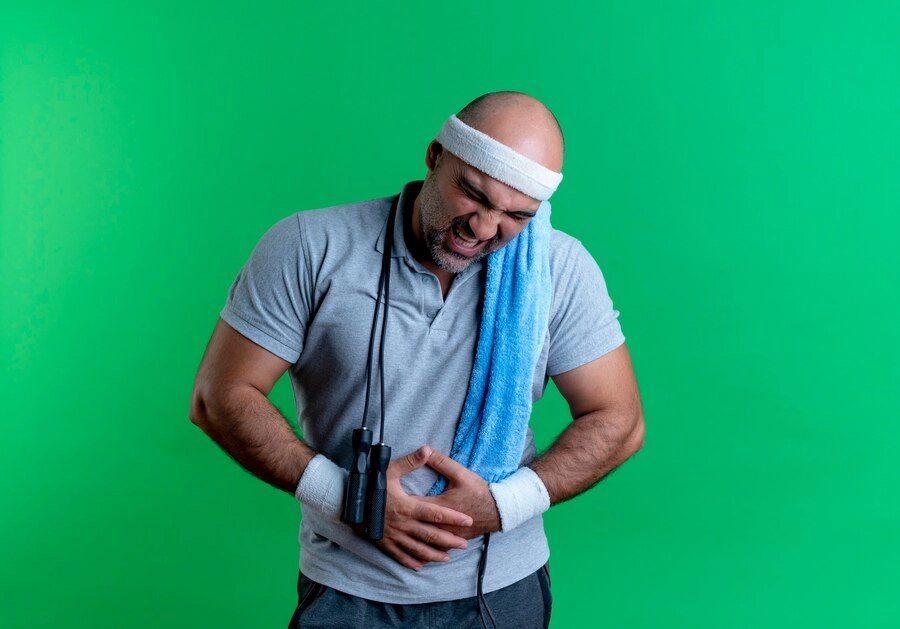
Why Does Hernia Happen?
Category: General Surgery
 Mon Nov 10 2025


A hernia occurs when an internal organ or tissue pushes through a weak spot in the surrounding muscle or connective tissue, often appearing as a visible bulge. While it can develop in different parts of the body, hernias are most common in the abdomen and groin area. Factors such as heavy lifting, obesity, chronic coughing, or even genetic weakness can contribute to its development. Recognizing hernia symptoms early is essential to avoid complications.
At Lokmanya Hospital, we specialize in advanced hernia treatment in Pune, addressing different types of hernia such as inguinal, umbilical, and hiatal hernias. With a dedicated team of experts including the best hernia surgeon in Pune, our hospital is equipped with modern diagnostic tools and surgical techniques like laparoscopic hernia treatment in Pune, ensuring safe, effective, and quicker recovery for patients.
Causes of Hernia: Why Does It Happen?
Hernias usually occur when weakened muscles in the abdominal wall are placed under excessive pressure. This combination of muscle weakness and strain allows organs or tissues to push through, leading to different types of hernia. Below are the common causes explained:
1. Muscle Weakness and Strain
A hernia generally develops when muscle weakness combines with strain. Weak abdominal walls can be present at birth (congenital) or develop later in life due to aging, injury, or surgery. Strain from heavy lifting, persistent coughing, or constipation can push tissues through the weak spot, leading to a hernia.
2. Obesity
Excess body weight places additional pressure on abdominal muscles, making them more vulnerable to hernias. Obesity also slows down recovery if hernia surgery becomes necessary.
3. Chronic Cough or Sneezing
Conditions that cause long-term coughing or sneezing—such as smoking, asthma, or allergies—can strain the abdominal wall, increasing the risk of hernia formation.
4. Heavy Physical Activity
Occupations or sports involving lifting, pulling, or pushing heavy objects can gradually weaken abdominal tissues. Without proper technique or support, the chance of developing a hernia rises significantly.
5. Previous Surgeries
Surgical incisions weaken the muscle wall, sometimes leading to incisional hernia, a common type of hernia after abdominal surgery.
6. Other Risk Factors
- Pregnancy: Increased abdominal pressure and hormonal changes.
- Aging: Muscles lose elasticity over time.
- Genetic Predisposition: Family history of hernias can increase risk.
Common Types of Hernia
Before undergoing hernia treatment in Pune, it’s important to identify the type:
- Inguinal Hernia: Most common, occurs in the groin region.
- Umbilical Hernia: Appears around the belly button, often seen in infants but can also affect adults.
- Hiatal Hernia: Part of the stomach bulges into the chest through the diaphragm.
- Incisional Hernia: Develops after abdominal surgery due to weak scar tissue.
Why Choose Lokmanya Hospital for Hernia Treatment?
Lokmanya Hospital is regarded as one of the best hospitals for hernia surgery in Pune, offering complete care from diagnosis to advanced surgical solutions. Our team of highly skilled hernia specialist doctors in Pune ensures each patient receives individualized treatment based on their condition, health history, and the types of hernia they are dealing with.
Our hospital specializes in minimally invasive procedures such as laparoscopic hernia treatment in Pune, alongside traditional open surgeries for complex cases. With the expertise of the best hernia surgeon in Pune, patients benefit from reduced pain, minimal scarring, faster recovery, and lower chances of recurrence. Lokmanya’s commitment to patient care makes it the trusted choice for those seeking reliable and effective hernia treatment in Pune.
Conclusion
A hernia may seem like a minor health issue in its early stages, but if left untreated, it can lead to serious complications. Understanding hernia symptoms and causes is the first step toward timely diagnosis and effective management. Lokmanya Hospital combines medical expertise, modern technology, and compassionate care, making it the top destination for safe and advanced hernia treatment in Pune. Whether it’s inguinal, hiatal, or umbilical hernia, our specialists ensure you receive the right treatment at the right time.
FAQs
1. What are the common hernia symptoms?
Swelling or bulge, pain while lifting, discomfort in the abdomen or groin, and worsening pain during activity are common signs.
2. Are hernias dangerous if untreated?
Yes, untreated hernias can lead to complications like strangulation, requiring emergency hernia surgery.
3. What are the types of hernia?
Inguinal, umbilical, hiatal, and incisional hernias are the most common.
4. Can hernias heal without surgery?
No, hernias do not heal on their own. Surgery is the only permanent solution.
5. What is laparoscopic hernia treatment?
It’s a minimally invasive procedure using small incisions and a camera, offering faster recovery and less scarring.
6. Who is the best hernia surgeon in Pune?
Lokmanya Hospital is home to some of the best hernia surgeons in Pune, offering advanced surgical care.
7. How do I know if I need hernia surgery?
If your hernia causes persistent pain, increases in size, or shows severe symptoms, surgery is recommended.
8. Why choose Lokmanya Hospital for hernia treatment in Pune?
Because it is among the best hospitals for hernia surgery in Pune, offering modern facilities, expert surgeons, and minimally invasive treatment options.
Previous blog

Which Surgery is Best for Umbilical Hernia?
Next blog