What Is Cholelithiasis: Causes, Symptoms, and Treatment Explained
Category: General Surgery
 Thu Nov 20 2025


Cholelithiasis is the medical term for gallstones, which are solid deposits that form in the gallbladder, a small organ beneath the liver that stores bile. These stones can vary in size and composition, often developing when bile contains too much cholesterol or bilirubin. While some people may not experience any symptoms, others may face sharp abdominal pain, nausea, or digestive issues, especially after fatty meals. If left untreated, cholelithiasis can lead to serious complications like gallbladder inflammation, infection, or bile duct blockage.
At Lokmanya Hospital, Pune, patients receive expert care for gallbladder and digestive disorders through a blend of advanced diagnostics and modern surgical techniques. The hospital’s experienced gastroenterologists and laparoscopic surgeons specialize in diagnosing and treating gallstones with precision and care. From early detection to laparoscopic cholecystectomy (gallbladder removal), Lokmanya Hospital ensures safe, effective, and minimally invasive treatment options designed for faster recovery and lasting relief.
What Is Cholelithiasis?
Cholelithiasis refers to the presence of one or more gallstones within the gallbladder. These stones are usually composed of cholesterol or bilirubin that hardens when the balance of bile components is disrupted. Over time, they may cause inflammation or block bile flow, leading to symptoms like pain, nausea, and jaundice. In many cases, the condition remains asymptomatic until the stones start moving or obstruct the bile ducts.
Causes of Cholelithiasis
Cholelithiasis can result from multiple factors, including:
- Excess cholesterol in bile: When bile can’t dissolve the cholesterol, it crystallizes into stones.
- Bilirubin imbalance: Conditions like liver disease or certain blood disorders increase bilirubin levels, leading to pigment stone formation.
- Gallbladder hypomotility: If the gallbladder fails to empty properly, bile becomes concentrated, encouraging stone formation.
- Dietary habits: High-fat, low-fiber diets and obesity are known risk factors.
- Hormonal influences: Women, particularly during pregnancy or on estrogen therapy, have a higher risk due to hormonal changes.
Symptoms of Cholelithiasis
While some individuals may have “silent” gallstones, others can experience:
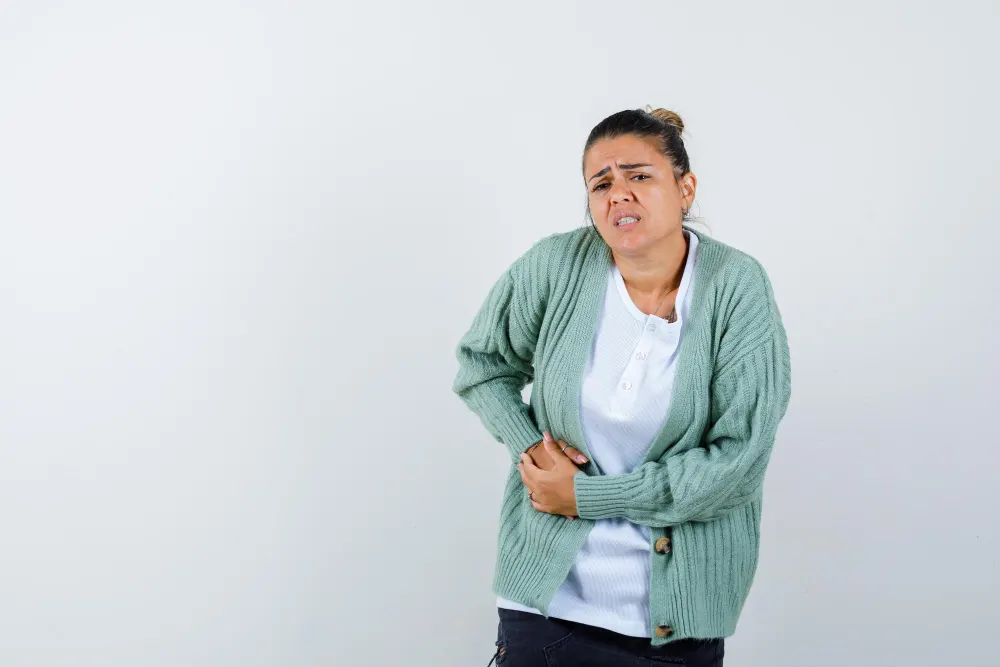
- Sudden and intense pain in the upper right or middle abdomen
- Nausea or vomiting after eating fatty foods
- Indigestion and bloating
- Jaundice (yellowing of skin and eyes) if bile flow is obstructed
- Fever or chills in severe cases indicating infection
If symptoms persist, it’s crucial to seek immediate medical attention to prevent complications like acute cholecystitis (inflammation of the gallbladder) or pancreatitis.
Diagnosis and Treatment
At Lokmanya Hospital, diagnosis begins with a thorough physical examination and imaging tests like ultrasound, CT scan, or MRCP (Magnetic Resonance Cholangiopancreatography) to detect gallstones and assess their size and position.
Treatment options include:
- Medication: For small, cholesterol-based stones, oral bile acid pills may help dissolve them, though this is rare.
- Surgical removal (Cholecystectomy): The most effective treatment for cholelithiasis is laparoscopic gallbladder removal, which is safe, minimally invasive, and ensures a quick recovery.
- Lifestyle modifications: Post-surgery, patients are guided on maintaining a low-fat, high-fiber diet to promote digestive health.
Why Choose Lokmanya Hospital for Cholelithiasis Treatment?
At Lokmanya Hospital, Pune, gallbladder stone management is handled by a specialized team of gastroenterologists and laparoscopic surgeons. The hospital uses advanced imaging and diagnostic technologies to ensure accurate detection and effective treatment of cholelithiasis. Patients receive personalized care plans that focus not only on removal of gallstones but also on long-term digestive health and prevention of recurrence.
The hospital’s laparoscopic surgery unit is equipped with cutting-edge tools, offering shorter hospital stays, faster recovery, and minimal scarring. Post-surgery follow-up programs, dietary counseling, and round-the-clock medical support make Lokmanya Hospital a trusted name in digestive and hepatobiliary care in Pune.
Conclusion
Cholelithiasis, or gallstones, is a common yet potentially serious condition if left untreated. Recognizing early signs and seeking timely medical evaluation can prevent complications such as infection or bile duct obstruction.
At Lokmanya Hospital, Pune, patients benefit from expert diagnosis, advanced surgical options, and personalized post-operative care. With its commitment to precision medicine and patient well-being, Lokmanya Hospital continues to set high standards in the treatment of gallbladder and digestive diseases.
FAQs
1. What is cholelithiasis?
Cholelithiasis is the medical term for gallstones, which are solid deposits that form in the gallbladder.
2. What are the common causes of gallstones?
They are usually caused by excess cholesterol, bile imbalance, obesity, or hormonal changes.
3. What are the symptoms of cholelithiasis?
Symptoms include upper abdominal pain, nausea, bloating, and jaundice in severe cases.
4. How is cholelithiasis diagnosed?
It is typically diagnosed through imaging tests like ultrasound, CT scan, or MRCP.
5. What is the best treatment for cholelithiasis?
The most effective treatment is laparoscopic gallbladder removal, a minimally invasive surgery.
6. Can gallstones dissolve on their own?
In rare cases, small cholesterol stones may dissolve with medication, but surgery is usually required.
7. What happens if cholelithiasis is left untreated?
It can lead to gallbladder inflammation, infection, or blockage of bile ducts.
8. How long is the recovery after gallbladder surgery?
Most patients recover within 1–2 weeks after laparoscopic cholecystectomy.

Next blog