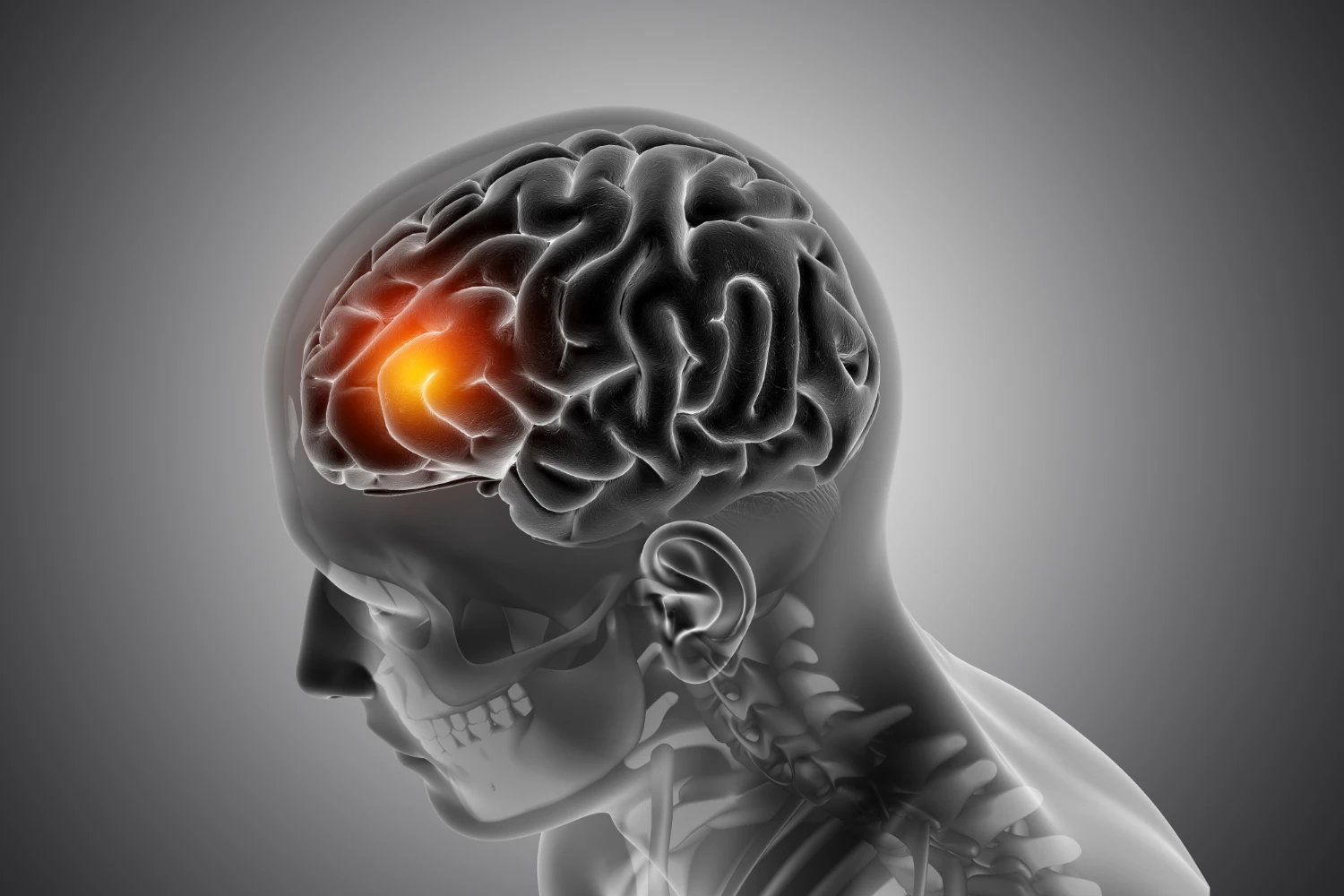
What Is A Brain Infection?
Category: Neurology
 Wed Dec 17 2025


A brain infection is a serious neurological condition where harmful microorganisms, such as bacteria, viruses, fungi, or parasites, invade the brain or its protective membranes. This condition can cause inflammation, swelling, and damage to brain tissue, leading to symptoms such as severe headache, high fever, confusion, seizures, and in severe cases, long-term neurological deficits. Early recognition and timely treatment are crucial to prevent complications and improve outcomes. Understanding the causes, symptoms, and risks associated with brain infections helps patients and families take the right preventive and medical measures.
At Lokmanya Hospital, we provide expert care for patients suffering from brain infections. As a leading centre for neurology treatment in Pune, our team ensures comprehensive diagnosis, personalised treatment, and ongoing support. We also guide families on recognising early warning signs, preventing infections, and managing complications to ensure safe and effective recovery. Early intervention significantly improves patient outcomes and reduces long-term neurological risks.
Causes of Brain Infection
Brain infections can arise from various sources, and identifying the cause is essential for effective treatment.
- Bacterial infections:- Certain bacteria, such as those causing meningitis or brain abscesses, can infect the brain directly.
- Viral infections:- Viruses like herpes simplex, influenza, or enteroviruses can lead to brain inflammation.
- Fungal infections:- Rare, but fungi can cause infections in immunocompromised individuals.
- Parasitic infections:- Parasites can enter the brain through contaminated food, water, or insect bites.
- Post-surgical or trauma-related infections:- Brain surgery, head injuries, or infections elsewhere in the body may spread to the brain.
Symptoms of a Brain Infection
Early identification of symptoms is crucial to reduce the risk of serious complications and ensure timely treatment.
- Severe headache:- Often persistent and worsens over time.
- High fever:- Sudden spike in temperature, sometimes accompanied by chills.
- Confusion or disorientation:- Patients may experience difficulty in thinking, memory, or awareness.
- Seizures:- Sudden convulsions may occur due to inflammation in the brain.
- Nausea and vomiting:- Commonly associated with high fever and neurological irritation.
- Sensitivity to light or sound:- Discomfort in bright environments or noisy surroundings.
Early consultation with a neurology doctor in Pune is vital for proper diagnosis and treatment.
How Brain Infections Affect the Body
Brain infections can have severe effects on neurological and overall health.
- Neurological deficits:- Inflammation may damage brain tissue, leading to cognitive, motor, or sensory impairments.
- Seizures and epilepsy:- Persistent inflammation can trigger abnormal electrical activity in the brain.
- Organ involvement:- Severe infections may affect other organs, especially if left untreated.
- Long-term cognitive or functional impact:- Delayed treatment may result in memory issues, difficulty in concentration, or motor challenges.
Prompt medical attention is critical to minimise these complications.
Treatment of Brain Infection
Treatment depends on the underlying cause, severity, and patient’s overall health.
- Medication:- Antibiotics, antivirals, or antifungal drugs based on the type of infection.
- Supportive care:- Hydration, fever management, and monitoring of neurological status.
- Hospitalisation:- Severe cases may require ICU care and close neurological monitoring.
- Surgical intervention:- In rare cases, brain abscesses or complications may require surgery.
Timely treatment increases the chances of full recovery and prevents long-term neurological damage.
Why Choose Lokmanya Hospital for Brain Infection Care?
At Lokmanya Hospital, our neurology specialists provide accurate diagnosis and personalised treatment for brain infections. We focus on identifying the type of infection bacterial, viral, fungal, or parasitic to ensure targeted therapy and prevent complications. Continuous monitoring and early intervention are central to our approach, allowing patients to recover safely while reducing the risk of lasting neurological damage.
As a trusted neurology hospital in Pune, we prioritise patient safety, education, and holistic care. Families receive guidance on recognising early symptoms, preventing infections, and managing recovery at home. Our comprehensive care model ensures better outcomes, faster recovery, and long-term support, making Lokmanya Hospital a reliable centre for managing brain infections.
Conclusion
Brain infections are serious neurological conditions that can cause severe complications if left untreated, including seizures, cognitive impairment, and long-term neurological deficits. Recognising early warning signs such as high fever, headache, confusion, vomiting, and seizures is critical for timely intervention and effective recovery.
At Lokmanya Hospital, our experienced neurology team in Pune provides specialised care for brain infections, including accurate diagnosis, targeted treatment, and continuous monitoring. We also educate families on prevention, early symptom recognition, and recovery strategies to ensure safe outcomes. With timely intervention and expert care, most brain infections can be effectively treated, reducing the risk of long-term complications and supporting patients’ neurological health.
FAQs
1. What is a brain infection?
A brain infection occurs when bacteria, viruses, fungi, or parasites invade the brain, causing inflammation and potential neurological damage.
2. Is brain infection contagious?
Some viral or bacterial infections may be contagious, but fungal and parasitic types are usually not.
3. How soon should I seek medical care?
Immediate consultation with a neurologist is required if you experience severe headache, fever, confusion, or seizures.
4. Can brain infections be cured?
Yes, with early diagnosis and appropriate treatment, most brain infections are curable without long-term complications.
5. What tests diagnose brain infections?
Blood tests, imaging, neurological examination, and cerebrospinal fluid analysis help confirm the cause.
6. Are children at higher risk?
Yes, infants and children are more vulnerable, making early recognition and treatment essential.
7. How does Lokmanya Hospital treat brain infections?
Treatment includes medication, supportive care, hospitalisation if needed, and continuous neurological monitoring.
8. Can brain infections cause long-term effects?
Delayed treatment may lead to seizures, cognitive impairment, or motor deficits, but timely care prevents most complications.
 (2) (1).webp)