What Food Can Cause Appendicitis?
Category: General Surgery
 Wed Nov 19 2025


Appendicitis occurs when the appendix, a small pouch attached to the large intestine, becomes inflamed due to infection or blockage. While no specific food directly causes appendicitis, poor dietary habits such as low fiber intake and high consumption of processed foods can slow digestion and increase the risk of blockage, leading to inflammation.
At Lokmanya Hospital, Pune, a renowned multispecialty center for advanced gastroenterology and surgical care, patients receive accurate diagnosis and minimally invasive treatment for appendicitis. The hospital’s expert team ensures safe recovery and provides guidance on healthy eating habits to help prevent digestive complications.
Can Food Cause Appendicitis?
While appendicitis itself is not directly caused by food, dietary factors can play a significant role in its development and recurrence. The most common cause of appendicitis is a blockage in the appendix, which allows bacteria to grow and cause infection. Certain foods, especially those low in fiber or difficult to digest, can increase the risk of such blockages.
Foods That May Increase the Risk of Appendicitis
1. Low-Fiber Foods
A diet low in fiber is one of the leading dietary factors linked to appendicitis. Fiber helps in smooth bowel movements and prevents constipation. Without sufficient fiber, stool becomes hard and can block the appendix.
Examples include:
- Refined flour products (white bread, pasta, pastries)
- Processed snacks (chips, biscuits, crackers)
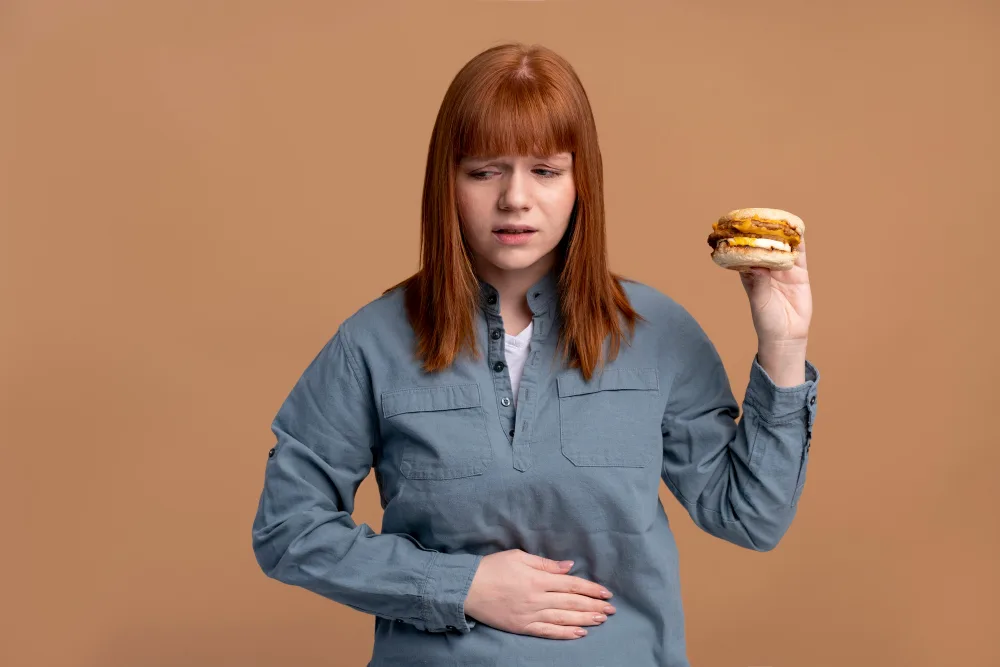
- Fast food and fried items
Over time, these foods can lead to slow digestion and fecal build-up — one of the most common causes of appendix inflammation.
2. Processed and Junk Foods
Foods high in saturated fats, preservatives, and artificial additives can slow digestion and cause intestinal inflammation. Regular consumption of processed meats, packaged foods, and sugary beverages may indirectly increase the chances of appendicitis.
Examples include:
- Burgers, pizzas, fries
- Packaged meat (sausages, hot dogs)
- Soft drinks and sugary juices
Such foods promote bacterial imbalance in the gut and can irritate the digestive tract, creating favorable conditions for infections.
3. Hard-to-Digest Foods
Foods that are difficult to break down can sometimes get trapped in the intestines, leading to obstruction near the appendix.
Examples include:
- Popcorn kernels
- Guava seeds or fruit pits
- Large quantities of red meat
While rare, undigested food particles or seeds can contribute to appendiceal blockage, particularly in individuals with a history of digestive issues.
4. Constipation-Inducing Foods
Chronic constipation increases pressure in the intestines and can block the appendix opening. Foods that contribute to constipation should be consumed in moderation.
Examples include:
- Cheese and dairy products
- Red meat
- Processed foods with low water content
Drinking plenty of water and eating fiber-rich foods like fruits, vegetables, and whole grains can significantly reduce this risk.
5. Lack of Hydration
Dehydration can lead to dry, hard stool and slow intestinal movement. When stool becomes compacted, it can obstruct the appendix. Ensuring proper hydration is essential to maintain healthy digestion and reduce the chances of inflammation.
Healthy Eating to Prevent Appendicitis
While no diet can guarantee complete prevention, maintaining a fiber-rich, balanced diet is key to reducing appendicitis risk. Here are some dietary tips recommended by specialists at Lokmanya Hospital, Pune:
- Eat plenty of fresh fruits and vegetables for natural fiber.
- Include whole grains like oats, brown rice, and whole wheat in your meals.
- Drink 8–10 glasses of water daily to keep digestion smooth.
- Limit consumption of processed and fatty foods.
- Add probiotic foods like yogurt or buttermilk to support gut health.
The dieticians and gastro specialists at Lokmanya Hospital provide personalized nutrition guidance to help patients maintain long-term digestive wellness and prevent recurring appendicitis symptoms.
Why Choose Lokmanya Hospital, Pune for Appendix Treatment
Lokmanya Hospital, Pune is one of the most trusted names in gastrointestinal and laparoscopic surgery in Maharashtra. The hospital offers advanced diagnostic tools, expert surgical teams, and round-the-clock emergency facilities to handle appendicitis cases efficiently.
The minimally invasive laparoscopic appendectomy performed at Lokmanya ensures faster recovery, minimal scarring, and less post-surgical pain. Beyond surgical excellence, the hospital focuses on preventive care by educating patients about dietary habits, gut health, and long-term wellness. With compassionate doctors, modern technology, and a patient-centered approach, Lokmanya Hospital continues to be a leading choice for appendix treatment in Pune.
Conclusion
While no single food directly causes appendicitis, unhealthy eating habits, particularly those involving low fiber and high-fat processed foods, can increase the risk of digestive blockages and infections. Maintaining a balanced, fiber-rich diet is one of the best ways to support digestive health and minimize the risk of inflammation.
If you experience symptoms such as severe abdominal pain, nausea, or loss of appetite, seek immediate care at Lokmanya Hospital, Pune. The hospital’s skilled gastroenterology team ensures timely diagnosis and effective treatment to help you recover quickly and safely.
FAQs
1. Can eating seeds cause appendicitis?
In rare cases, small seeds from fruits like guava or popcorn kernels may block the appendix, but this is uncommon. The main cause is usually infection or stool blockage.
2. What foods increase the risk of appendicitis?
Low-fiber, processed, and fried foods can contribute to constipation and intestinal blockage, indirectly raising the risk.
3. Can a poor diet alone cause appendicitis?
Not directly. However, an unhealthy diet can slow digestion, cause constipation, and create conditions that favor appendicitis.
4. What should I eat to prevent appendicitis?
Eat fiber-rich foods like vegetables, fruits, and whole grains, and stay hydrated to promote smooth digestion.
5. Is spicy food responsible for appendicitis?
Spicy food doesn’t cause appendicitis, but it may irritate the stomach or intestines if eaten excessively.
6. Can I eat junk food after appendix surgery?
It’s best to avoid oily or heavy foods after surgery. Stick to soft, low-fat, and fiber-rich meals recommended by your doctor.
7. How does Lokmanya Hospital, Pune, treat appendicitis?
Lokmanya Hospital offers advanced diagnostic imaging, antibiotic therapy, and laparoscopic appendectomy for safe and efficient treatment.
8. Is appendicitis preventable through diet?
While not fully preventable, eating a healthy diet high in fiber and staying hydrated can greatly lower your risk.
Previous blog
Is Black Coffee Good For High Blood Pressure?
Next blog