Understanding the Location of a Stroke
Category: Neurology
 Tue Jan 20 2026


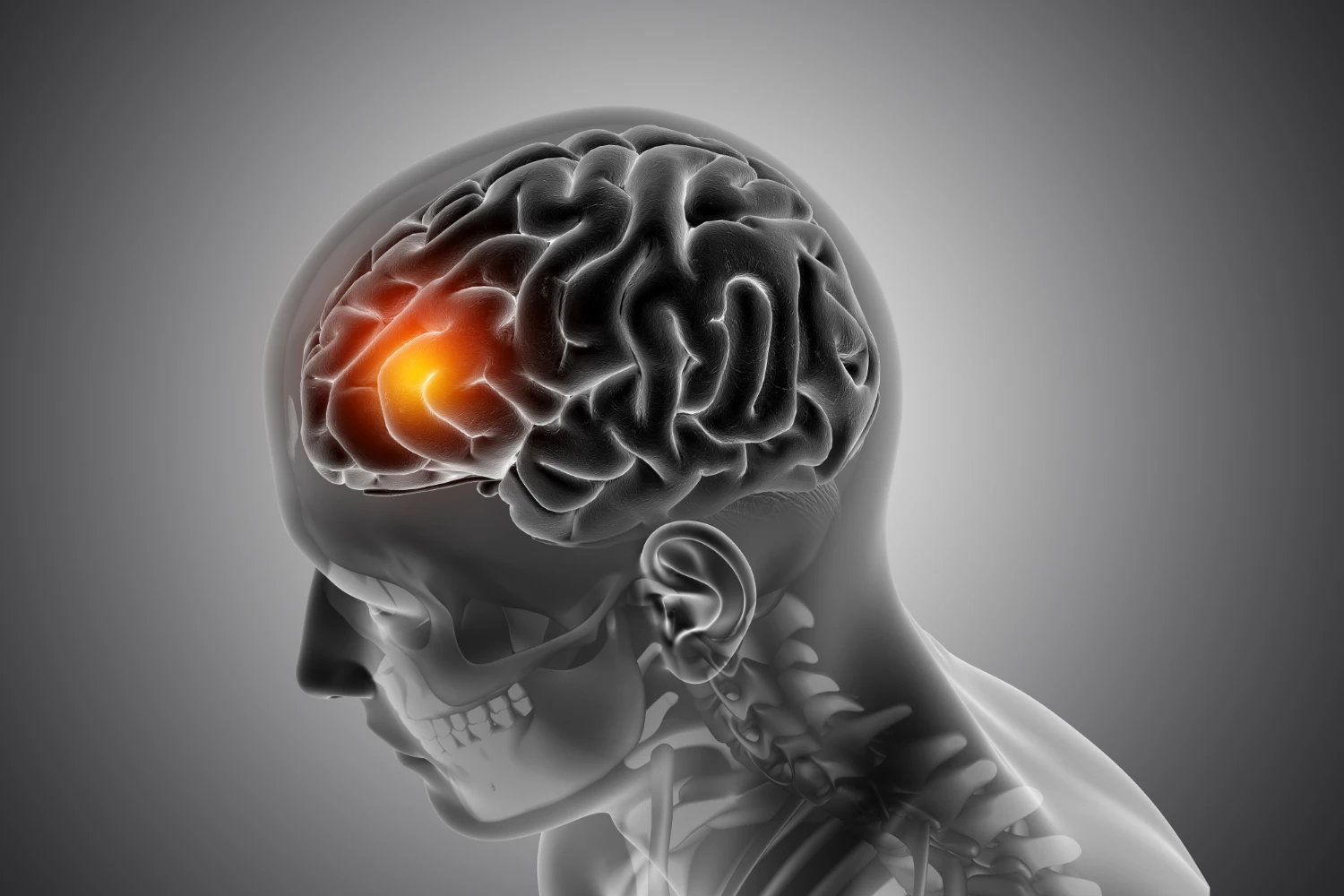
When a stroke affects the left side of the body, it usually means that a blood vessel on the right side of the brain has been damaged. This happens because the right side of the brain controls movement and strength on the left side of the body.
Why Recurrent Stroke on the Same Side Is a Serious Concern
If a stroke occurs again on the same side, it strongly suggests that a specific blood vessel is repeatedly affected. This is not something that should be ignored. Recurrent damage increases the risk of a major stroke, which can lead to permanent paralysis.
Why Delaying Medical Evaluation Is Dangerous
Ignoring warning signs or delaying investigations can be risky. A mild episode may improve temporarily, but a future stroke could result in complete paralysis or long-term disability. Stroke recovery depends not only on medicines but also on understanding why the stroke happened in the first place.
Medicines Alone Are Not Always Enough
While the prescribed medications are correct and important, they are only part of the treatment. Medicines help prevent further damage, but they do not identify the root cause of repeated strokes. If there is a major blockage or structural problem in a blood vessel, additional treatment may be required.
Importance of Identifying the Underlying Cause
If there is a significant defect in a blood vessel, it may not improve with medication alone. In some cases, procedural or surgical intervention may be necessary. This decision can only be made after proper investigations.
Stroke at a Young or Middle Age Requires Urgent Attention
At this stage of life, responsibilities are high and quality of life matters. Stroke-related disability can severely affect independence and family life. Early diagnosis and treatment can prevent long-term consequences.
Essential Tests After a Stroke
To understand why the same blood vessel is being affected, several tests are required:
Blood Vessel Doppler (Sonography)
A Doppler ultrasound evaluates blood flow in the neck and brain vessels to detect narrowing or blockages.
MRI of the Brain
MRI helps assess the extent of brain damage and identifies areas affected by reduced blood supply.
Blood Investigations
Blood tests help detect risk factors such as clotting disorders, diabetes, cholesterol issues, or inflammation.
Hospital Admission Is Not Always Required
Most of these tests can be done through outpatient evaluation. Hospital admission is not necessary unless complications or severe symptoms are present.
Recovery Depends on Time, Not Just Medicines
The improvement experienced after a stroke often happens gradually with time. Medicines support recovery, but the actual healing depends on how much brain tissue was damaged.
Why Self-Neglect Must Be Avoided
Once a stroke has occurred, ignoring follow-up investigations is a form of self-neglect. Proper evaluation helps prevent future strokes and protects long-term health.