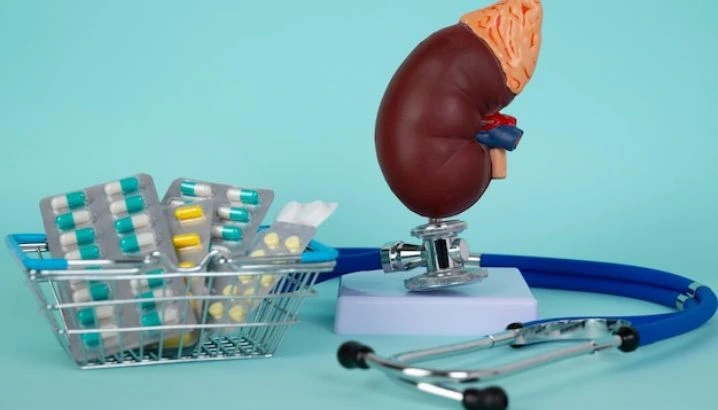
Kidney Failure Treatment Without Surgery – Is It Possible?
Category: Urology
 Sat Mar 28 2026


When faced with a kidney failure diagnosis, the thought of surgery can be daunting. Many patients wonder if there are effective ways to manage the condition without going under the knife.
The answer is yes—treating kidney failure without surgery is not only possible, it is the standard approach for managing the condition through its various stages.
While a kidney transplant is a surgical solution, the primary treatments, including medication, dietary management, and dialysis, are all non-surgical methods designed to manage symptoms and prolong life.
Key Takeaways
- Non-Surgical Focus: The initial and primary management of kidney failure is non-surgical, focusing on medication, diet, and lifestyle changes.
- Dialysis is Not Surgery: Dialysis, a cornerstone of kidney failure treatment, is a non-surgical procedure that filters your blood externally or internally.
- Slowing Progression: Early-stage kidney disease is managed with non-surgical methods to preserve remaining kidney function and slow down damage.
- Surgery as an Option: A kidney transplant is a surgical option, not a requirement, and is considered when it offers a better quality of life than long-term dialysis.
- Holistic Management: A comprehensive non-surgical plan includes managing related conditions like high blood pressure and diabetes.
Why is non-surgical treatment the first step?
Kidney failure, particularly Chronic Kidney Disease (CKD), is a progressive condition. In the early to moderate stages, the primary goal is to preserve the kidney function you still have.
Surgery, in the form of a transplant, is typically reserved for the final stage (Stage 5) when the kidneys have almost completely failed. Therefore, the entire treatment journey before that point is focused on non-invasive management.
At Lokmanya Hospitals, a leading Multispeciality Hospital in Pune, our approach is to intervene early with a robust non-surgical plan.
We focus on controlling the root causes of kidney damage, which can significantly slow the progression of the disease and delay or even prevent the need for more intensive therapies like dialysis or transplantation.
What are the main non-surgical treatment options?
Managing kidney failure without surgery involves a multi-faceted approach. These strategies work together to reduce the strain on your kidneys and manage the complications that arise from poor kidney function.
1. Medication Management:
This is a critical part of non-surgical treatment. Your doctor will prescribe medications to:
- Control Blood Pressure: High blood pressure is a leading cause of kidney failure. Drugs like ACE inhibitors and ARBs are used to protect the kidneys.
- Manage Blood Sugar: For diabetic patients, strict glucose control is essential to prevent further damage to the kidney’s filters.
- Reduce Protein in Urine: High levels of protein in the urine are a sign of kidney damage. Certain medications can help reduce this.
- Treat Complications: You may also need medication to manage anaemia (low red blood cells) and bone disease, which are common in kidney patients.
2. Dietary and Lifestyle Changes:
What you eat has a direct impact on your kidneys. A renal dietitian will help you create a kidney-friendly meal plan that typically involves:
- Limiting Sodium: To help control blood pressure and fluid retention.
- Reducing Phosphorus and Potassium: As failed kidneys cannot remove these minerals, they can build up to dangerous levels.
- Controlling Protein Intake: To reduce the waste products your kidneys have to filter.
3. Dialysis:
When kidney function drops to 15% or less, dialysis becomes necessary. It is important to understand that dialysis is a non-surgical procedure. It is a form of renal replacement therapy, not a surgical cure. There are two main types:
- Haemodialysis: Your blood is filtered through an external machine.
- Peritoneal Dialysis: A cleansing solution is used to filter your blood inside your abdomen.
While a minor procedure is needed to create an access point for dialysis (like a fistula or catheter), the treatment itself is not major surgery.
How can lifestyle changes make a difference?
Lifestyle modifications are a powerful non-surgical tool. They can significantly slow the progression of kidney disease, especially in the earlier stages. Being the Best kidney failure treatment hospital in Pune for holistic patient care, we emphasise these changes as a core part of our treatment philosophy.
- Regular Exercise: Helps control blood pressure and maintain a healthy weight.
- Quitting Smoking: Smoking damages blood vessels and reduces blood flow to the kidneys.
- Limiting Alcohol: Excessive alcohol intake can raise blood pressure and is directly harmful to kidneys.
- Avoiding Certain Painkillers: Non-steroidal anti-inflammatory drugs (NSAIDs) can be harmful to kidneys and should be avoided.
Ready to explore your non-surgical kidney treatment options?
Our expert nephrology team at Lokmanya Hospitals is here to create a personalised plan that works for you.
Book Your Consultation Today
Or call us at +91 9307076767
When is surgery considered?
Surgery, in the form of a kidney transplant, is considered the best treatment for End-Stage Renal Disease. However, it is an option, not a necessity for survival. Many patients live long, fulfilling lives on dialysis.
A transplant is considered when:
- A patient is healthy enough to undergo major surgery.
- A suitable donor kidney is available (either from a living or deceased donor).
- The potential benefits of a transplant (like freedom from dialysis and a better quality of life) outweigh the risks of surgery and lifelong immunosuppressant medication.
How does Lokmanya Hospitals guide you through treatment?
We believe in a patient-first approach. From your very first consultation, we focus on creating a sustainable, non-surgical plan to manage your condition. Navigating these choices can be complex, so Choosing the Right Kidney Failure Hospital in Pune is the first step toward long-term health.
Our team educates you about your stage of kidney disease and what you can do to protect your health. We help you implement dietary changes, manage medications, and prepare for dialysis if and when it becomes necessary.
Our comprehensive kidney cancer treatment at Lokmanya Hospitals ensures that if and when surgery becomes your preferred option, you are in the best possible health to receive it. Our integrated team of nephrologists, transplant surgeons, dietitians, and counsellors works together to provide seamless care at every step.
Conclusion
Treating kidney failure without surgery is the standard of care for the vast majority of the disease's timeline. Through careful medication management, targeted dietary changes, and life-sustaining dialysis, patients can effectively manage their condition for many years. Surgery is a powerful alternative for those who are eligible and choose it, but it is not the only path forward. The key is early diagnosis and proactive management to preserve kidney function for as long as possible.
If you have concerns about your kidney health or want to learn more about your treatment options, contact Lokmanya Hospitals, Pune today. Our dedicated renal care team is ready to provide the expert guidance and compassionate support you deserve.
Frequently Asked Questions
1. Can kidney failure be reversed without surgery?
Acute (sudden) kidney failure can often be reversed once the underlying cause is treated. However, Chronic Kidney Disease (CKD) involves permanent damage that cannot be reversed. Non-surgical treatments for CKD focus on slowing down further damage, not curing it.
2. How long can you live with kidney failure without a transplant?
With dialysis, many people live for 10, 20, or even 30 years. Your life expectancy depends on your age, overall health, and how well you follow your treatment plan.
3. Is dialysis a permanent treatment?
For chronic kidney failure, dialysis is a permanent, life-sustaining treatment unless you receive a kidney transplant. For acute kidney failure, dialysis may only be needed temporarily until your kidneys recover their function.
4. What are the side effects of non-surgical kidney treatments?
Medications can have side effects, which your doctor will help you manage. Dialysis can cause fatigue, low blood pressure, and muscle cramps. A strict diet can also be challenging to follow. However, these are all manageable with the help of your healthcare team.
5. Can I avoid dialysis completely with diet and medication?
In the early stages of kidney disease (Stages 1-3), a disciplined approach to diet and medication can significantly slow the progression and may delay the need for dialysis for many years. In some cases, it can prevent it entirely if the disease progression is halted.