Is Laparoscopic Surgery Safe?
Category: General Surgery
 Mon Sep 29 2025


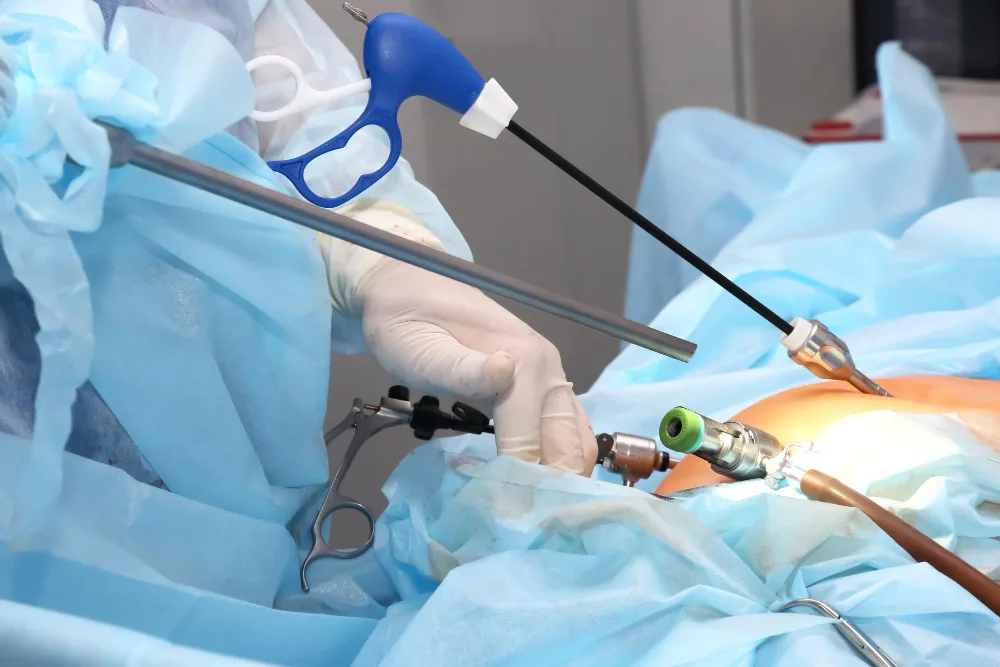
Laparoscopic surgery, also known as minimally invasive surgery, has become one of the most preferred surgical approaches worldwide. Using small incisions, a camera, and advanced instruments, it allows surgeons to perform precise procedures with minimal pain, reduced scarring, and faster recovery compared to traditional open surgery.
At Lokmanya Hospital, patients receive world-class care in both general and specialized laparoscopic surgeries. From laparoscopic gallbladder surgery to appendix laparoscopic surgery, and from ovarian cyst laparoscopic surgery to laparoscopic hysterectomy surgery, the hospital combines advanced technology with experienced surgeons to ensure safe and effective outcomes.
What Makes Laparoscopic Surgery Safe?
The safety of laparoscopic surgery lies in its minimally invasive nature and controlled environment.
- Small Incisions: Unlike open surgery, only a few small cuts are made, reducing bleeding and chances of infection.
- Enhanced Visualization: The high-definition camera magnifies internal organs, helping surgeons operate with precision.
- Reduced Trauma: Since muscles and tissues are not widely cut, recovery is quicker, with less post-operative pain.
- Shorter Hospital Stay: Patients are often discharged within 1–2 days, lowering risks of hospital-related infections.
Risks and Complications
While laparoscopic surgery is considered safe, like any medical procedure, it carries some risks.
Detailed Explanation:
- Infections: Though rare, infections can occur at incision sites if proper care is not taken.
- Bleeding or Injury: Minimal, but possible if blood vessels or organs are accidentally affected.
- Anesthesia Reactions: Some patients may experience side effects from anesthesia.
- Conversion to Open Surgery: In complex cases, the surgeon may shift to open surgery for safety.
Common Conditions Treated with Laparoscopic Surgery
Laparoscopic techniques are widely applied across multiple specialties.
- Appendix Laparoscopic Surgery – Safe and quick removal of an inflamed appendix.
- Ovarian Cyst Laparoscopic Surgery – Removes cysts while preserving ovarian function.
- Laparoscopic Hysterectomy Surgery – Minimally invasive removal of the uterus.
- Fibroids Laparoscopic Surgery – Helps women manage fibroid growths with minimal scarring.
- Laparoscopic Surgery for PCOS – Treats ovarian cysts associated with PCOS to support fertility.
- Laparoscopic Gallbladder Surgery – Safely removes gallstones or gallbladder with faster recovery.
Why Choose Lokmanya Hospital for Laparoscopic Surgery
At Lokmanya Hospital, patient safety is the top priority. The hospital is equipped with advanced laparoscopic equipment, modern operation theaters, and highly experienced surgeons. Each procedure, whether it is laparoscopic surgery for uterus conditions or general laparoscopic surgery, is performed with utmost precision and care.
Lokmanya Hospital also emphasizes post-surgery monitoring, diet guidance, and recovery management. With a proven track record in laparoscopic surgery in Pune, the hospital ensures minimal risk, faster recovery, and high patient satisfaction.
Conclusion
Laparoscopic surgery is considered a safe, reliable, and effective surgical approach for many abdominal and gynecological conditions. With smaller incisions, reduced pain, and shorter hospital stays, it offers clear advantages over traditional surgery.
By choosing Lokmanya Hospital, patients gain access to advanced technology, skilled surgeons, and comprehensive care — making it one of the most trusted centers for laparoscopic surgery in Pune.
FAQs
1.Is laparoscopic surgery safe?
Yes, it is generally very safe with fewer complications compared to open surgery when performed by experienced surgeons.
2. What conditions are treated with laparoscopic surgery?
It is commonly used for gallbladder removal, appendix, ovarian cysts, fibroids, hysterectomy, and hernia repairs.
3. What is the recovery time after laparoscopic surgery?
Most patients recover within 1–2 weeks, depending on the type of surgery.
4. Is laparoscopic gallbladder surgery safe?
Yes, it is one of the safest and most common laparoscopic procedures with minimal risks.
5. Are there risks in laparoscopic surgery?
Possible risks include infection, bleeding, or conversion to open surgery, though these are rare.
6. What is the laparoscopic surgery cost in Pune?
Costs vary based on the procedure and hospital, but Lokmanya Hospital offers affordable and transparent packages.
7. What is the laparoscopic hernia surgery cost?
The cost depends on the type of hernia and complexity, but laparoscopic hernia repair is generally cost-effective with faster recovery.
8. Is laparoscopic surgery better than open surgery?
For most conditions, yes. It is less painful, has shorter recovery times, and leaves minimal scars.
Previous blog
Why is Laparoscopic Surgery Done?
Next blog