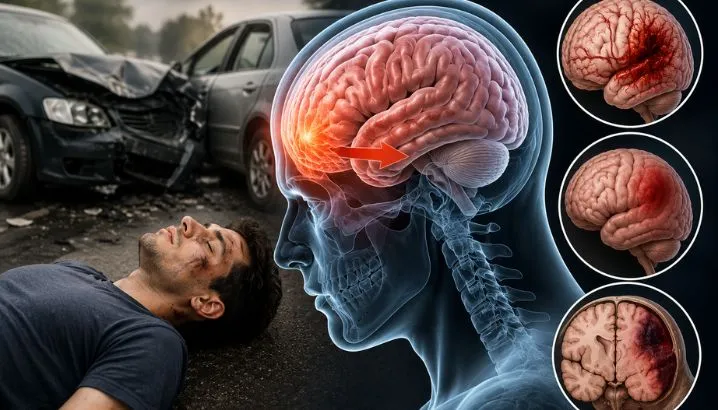
How Road Accidents Affect the Brain?
Category: Neurology
 Fri Sep 04 2026


A road accident can affect your brain even when there’s no obvious wound on your head.
I’m Dr. Charudutt Apte, Head of the Department of Neurosurgery at Lokmanya Hospitals, Pune, and I often tell patients that brain injury after road accident can range from a mild concussion to a serious injury requiring urgent treatment.
The force of a crash can affect the brain even when the person appears conscious and alert.
Key Takeaways
- A road accident can injure the brain even without a direct blow to the head.
- Headache, vomiting, confusion, dizziness, and memory changes should not be ignored after an accident.
- CT scans can help identify bleeding, swelling, fractures, and other serious injuries.
- Treatment depends on the type and severity of the brain injury.
- Some people need monitoring and rehabilitation, while severe injuries may require surgery.
Can a road accident cause brain damage without hitting your head?
Yes, a road accident can cause a brain injury even when your head doesn't directly hit the road, dashboard, windshield, or another object.
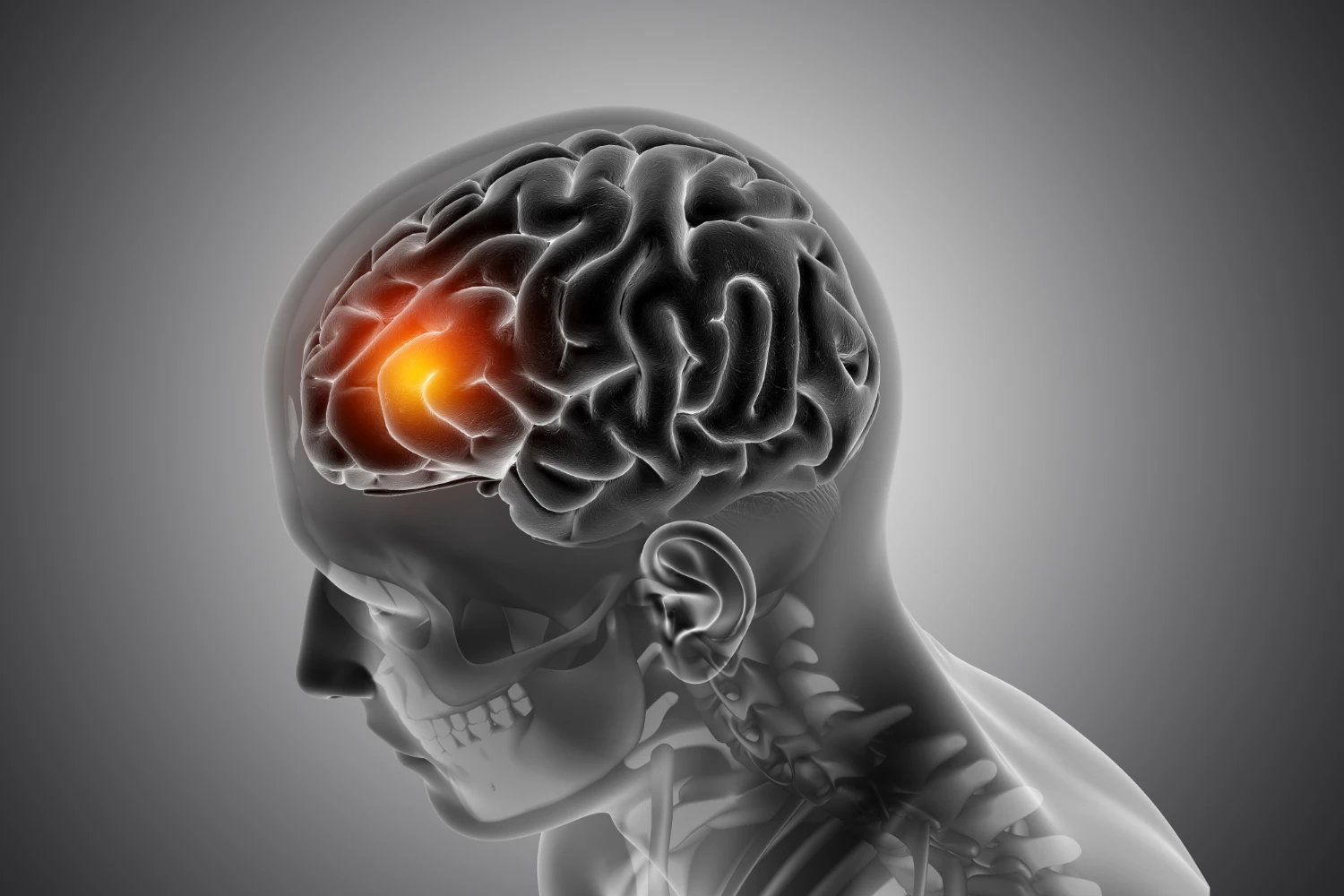
During a crash, your head and body can move suddenly forward, backward, or sideways. The brain can also move within the skull because of this rapid acceleration and deceleration. This can affect brain function and, in some cases, cause physical injury to brain tissue or blood vessels.
A traumatic brain injury can be mild, such as a concussion, or more serious, involving bleeding, bruising, swelling, or other structural damage.
For a more detailed clinical reference on how this mechanism works, NIH's clinical overview of traumatic brain injury covers the classification and evaluation process in depth.
The absence of an external wound doesn't mean the brain hasn't been affected.
What happens to the brain during a road accident?
The brain can be shaken, bruised, or affected by bleeding and pressure after a strong impact or sudden movement.
The initial injury occurs at the time of the crash. Afterward, complications such as brain swelling or bleeding can sometimes develop.
Because the brain sits inside the skull, swelling or a collection of blood can increase pressure around brain tissue. In serious cases, this pressure can cause further damage and requires urgent medical treatment.
A skull fracture may also occur after a significant impact. Whether a skull fracture is present does not by itself determine the full severity of the brain injury, so a proper assessment is important.
The same forces that injure the brain in a crash can also injure the spine, sometimes at the same time. If you're dealing with both, Best Treatment For Spinal Cord Injury In Pune covers what that combined evaluation and treatment path looks like.
What are the common symptoms after a road accident?
The symptoms can range from headache and dizziness to confusion, vomiting, memory problems, and changes in alertness or behaviour.
Common symptoms after a mild brain injury may include:
- Headache or pressure in the head
- Dizziness or balance problems
- Nausea or vomiting
- Blurred or double vision
- Difficulty concentrating
- Memory problems
- Feeling unusually tired
- Confusion or slowed thinking
- Irritability or mood changes
- Changes in sleep
These concussion symptoms may appear immediately or develop over the following hours or days.
Don't ignore new symptoms simply because you felt fine immediately after the accident.
Can you have a brain injury and feel fine after an accident?
Yes, you can have a brain injury without immediately realizing that something is wrong.
Some people remain awake and communicate normally after a concussion or other brain injury. Symptoms such as headache, dizziness, concentration problems, or memory changes may become noticeable later.
This is one reason I ask families to observe the person carefully after an accident. A change in behaviour, increasing sleepiness, worsening headache, or new confusion deserves medical attention.
Which warning signs mean you need emergency medical care?
A worsening headache, repeated vomiting, seizures, increasing drowsiness, confusion, weakness, speech problems, or difficulty walking can be emergency warning signs.
Seek urgent medical care after a road accident if the person develops:
- Loss of consciousness or difficulty waking
- Increasing drowsiness
- Repeated vomiting
- Severe or worsening headache
- Seizures
- New weakness or numbness
- Difficulty speaking or understanding
- Problems with walking or balance
- New vision problems
- Significant confusion or unusual behaviour
- Clear fluid or blood coming from the nose or ears
High-speed road accidents themselves can warrant urgent assessment, particularly when there has been a head impact or concerning symptoms.
If someone becomes difficult to wake, has a seizure, develops weakness, or becomes increasingly confused, don't wait at home. Seek emergency care.
How do doctors check the brain after an accident?
Doctors first assess how the accident happened, the symptoms, consciousness level, and neurological function before deciding which tests are needed.
A neurological examination may include checking:
- Alertness and orientation
- Memory and concentration
- Eye movements and vision
- Strength and sensation
- Coordination and balance
- Speech and responses
A CT scan is commonly used in emergency situations when doctors need to quickly check for brain bleeding, fractures, bruising, or swelling. MRI may be used later in selected patients when additional assessment is needed.
Not every person with a head injury needs the same scan or treatment. The decision depends on the injury and clinical findings.
How is a brain injury treated after a road accident?
Treatment depends on whether the injury is mild, moderate, or severe and whether there is bleeding, swelling, or another structural problem.
For a mild injury such as concussion, treatment may involve observation, symptom management, relative rest for the initial period, and a gradual return to normal physical and mental activities.
For more serious injuries, treatment may involve hospital monitoring, medicines, intensive care, management of pressure inside the skull, or surgery.
Head injury treatment should therefore be based on an examination and, when appropriate, brain imaging rather than symptoms alone.
For patients who require traumatic brain injury treatment in Pune, the first priority is identifying the nature and severity of the injury so that treatment can be planned safely.
When does a head injury after a road accident need surgery?
Surgery may be required when there is significant bleeding, dangerous pressure on the brain, or certain severe skull injuries.
For example, an operation may be considered to remove a blood collection that is pressing on the brain, treat certain serious fractures, control bleeding, or relieve dangerous pressure inside the skull.
However, not every head injury requires surgery. A person with a concussion may recover with observation and appropriate follow-up.
The decision depends on the neurological examination, scan findings, symptoms, and overall condition of the patient.
How long does it take to recover from a brain injury after an accident?
Recovery time varies depending on the severity and type of injury, the area of the brain affected, and the individual's overall health.
People with mild injuries may improve over days or weeks, while more serious injuries can require a longer period of recovery and rehabilitation. Some people may continue to experience headaches, dizziness, memory problems, sleep changes, or difficulty concentrating.
I tell patients not to judge recovery only by whether their headache has improved. Your ability to think, remember, balance, communicate, and return safely to daily activities also matters.
Can memory problems happen after a road accident?
Yes, memory and concentration can be affected after a traumatic brain injury.
You may forget recent events, find it difficult to concentrate, feel mentally slower, or struggle with tasks that were previously easy.
Can memory problems happen after a road accident? Yes, and persistent cognitive symptoms should be assessed rather than dismissed as ordinary tiredness or stress.
If symptoms continue, rehabilitation may be useful. Depending on the problem, treatment can involve physical therapy, occupational therapy, speech and language therapy, or cognitive rehabilitation.
Can brain rehabilitation help after a serious accident?
Yes, rehabilitation can help people regain or improve physical, thinking, communication, and daily living abilities after a significant brain injury.
The rehabilitation plan depends on which functions have been affected.
It may include:
- Physical therapy for movement and balance
- Occupational therapy for everyday activities
- Speech and language therapy
- Cognitive rehabilitation for memory and thinking
- Support for emotional and behavioural changes
What Is Neurological Rehabilitation? goes into what this structured recovery process actually looks like week to week, since it's rarely a single appointment that resolves things.
This is why brain rehabilitation can be an important part of recovery after moderate or severe injury.
How can you support recovery after a brain injury?
The safest approach is to follow the medical team's instructions and return to normal activities gradually.
After a concussion or other head injury, don't immediately return to strenuous exercise, contact sports, driving, or activities that could expose you to another head impact.
A short period of relative rest may be recommended initially, followed by a gradual increase in activity as symptoms allow.
Family members can also help by observing changes in alertness, behaviour, memory, and symptoms during the recovery period.
Recovery isn't the same for everyone, so your return to work, driving, exercise, or other activities should be guided by your healthcare professional.
If you or a family member has developed headache, dizziness, confusion, memory changes, or other neurological symptoms after a road accident, I recommend getting assessed rather than trying to judge the severity at home. You can consult me, Dr. Charudutt Apte, in the Department of Neurosurgery at Lokmanya Hospitals, Pune, for appropriate evaluation and treatment planning.
Frequently Asked Questions
Can you have a brain injury and feel fine after an accident?
Yes, some brain injuries don't cause obvious symptoms immediately. Symptoms can develop later, so changes in headache, alertness, memory, balance, or behaviour should be taken seriously.
Why do I have headaches days after a car accident?
A headache after an accident can occur with concussion or another head injury, but the cause should be assessed if it persists or worsens. A severe or worsening headache, especially with vomiting or confusion, needs urgent medical attention.
Can memory problems happen after a road accident?
Yes, memory and concentration difficulties can occur after a brain injury. If they persist or interfere with work and daily activities, discuss them with a healthcare professional.
Can a concussion happen without losing consciousness?
Yes, losing consciousness isn't necessary for a concussion. Many people with concussion remain awake after the injury.
Does every person with a head injury need a CT scan?
No, a CT scan isn't necessary for every head injury. Doctors decide whether imaging is needed based on the accident, symptoms, examination, and risk factors.
Can dizziness continue after a concussion?
Yes, dizziness can continue during recovery from a concussion. Persistent or worsening dizziness should be discussed with your doctor, especially if it affects walking or daily activities.
Can a road accident cause brain bleeding even if the person is conscious?
Yes, being conscious doesn't completely rule out bleeding inside the skull. New or worsening headache, vomiting, confusion, drowsiness, weakness, or seizures require urgent assessment.
Can a brain injury affect personality or mood?
Yes, changes in mood or behaviour can occur after traumatic brain injury. Irritability, anxiety, emotional changes, or unusual behaviour may need attention during recovery.
How soon can I drive after a head injury?
You shouldn't decide based only on whether your headache has improved. Your doctor should guide you on when you're medically ready to drive safely, particularly if you have dizziness, concentration problems, vision changes, or other symptoms.
Can someone recover fully after a serious brain injury?
Recovery is possible, but the extent varies greatly with the severity and location of the injury. Some people recover well, while others need longer-term rehabilitation and support.
Final Thoughts
A road accident can affect the brain even when there is no obvious injury on the outside. Not every head injury becomes a serious brain injury, but significant symptoms should never be ignored.
The right approach is to assess the injury properly, identify any complications early, and choose treatment according to the individual patient's condition.
If symptoms persist after an accident, don't simply wait and hope they disappear. Appropriate neurosurgical assessment can help determine what is happening and what should be done next.
Medical Disclosure
This article is intended for general educational purposes only. It does not replace an individual medical consultation, physical examination, diagnosis, or personalized treatment plan. If you or someone else develops concerning symptoms after a road accident, seek appropriate emergency medical care.